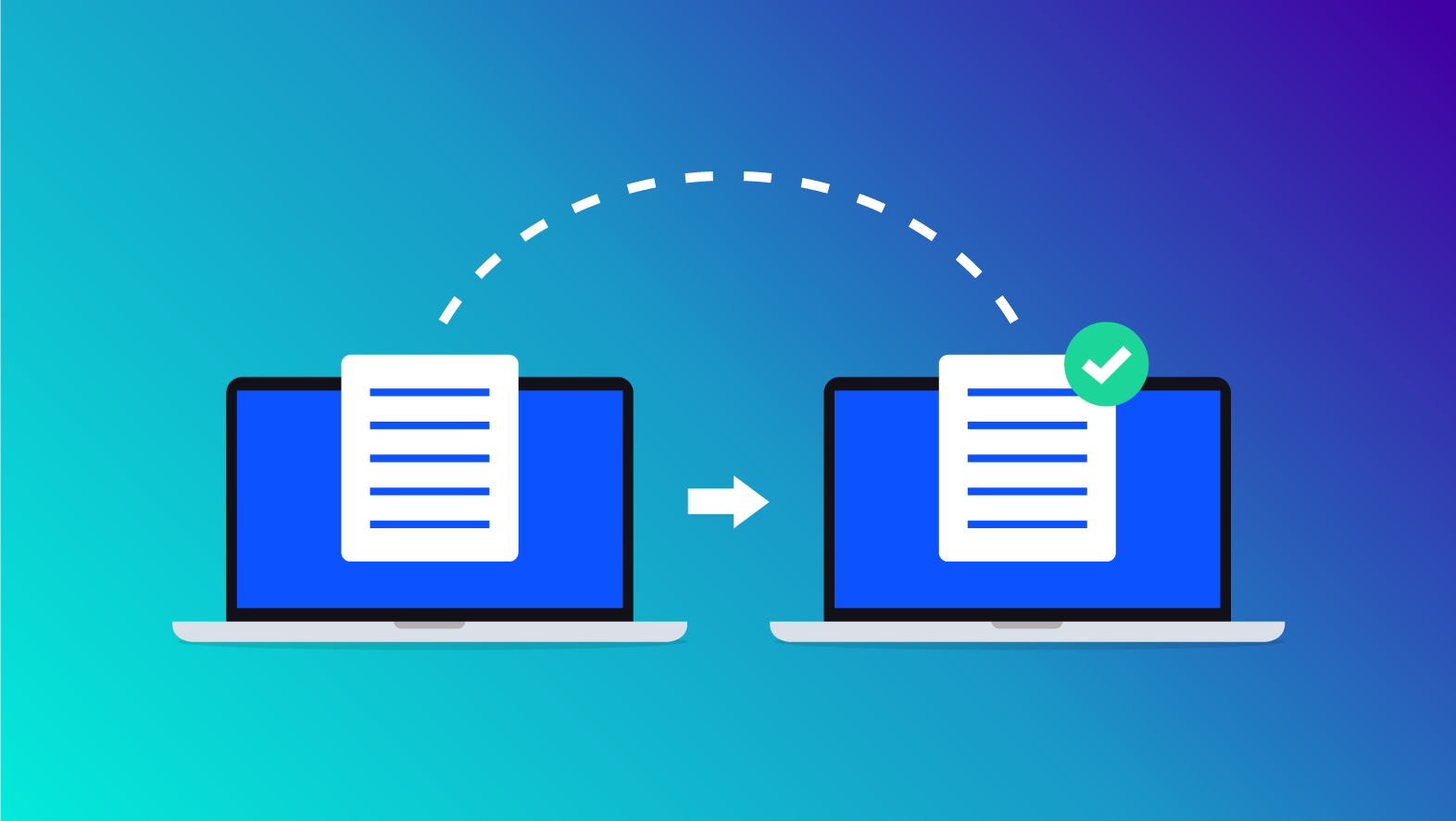
The Journey of Data: How Information Travels the Digital Highway
The journey of data begins with the moment it is created, whether that's through user inputs on a website, sensors collecting information in the IoT landscape, or even transactions made in digital marketplaces. Once created, this information travels through a complex network often referred to as the digital highway. This pathway comprises several layers of technology, including routers, switches, and various communication protocols, which work together seamlessly to transfer data from one point to another. The speed at which data travels is astonishing, thanks to fiber-optic cables that connect cities, countries, and continents, allowing for near-instantaneous communication.
As information makes its way across the digital highway, it encounters numerous checkpoints and processing centers. Data packets, the fundamental units of information, get broken down and reassembled at various nodes along the route. Notably, this journey isn't just about speed; it's also about security. Encryption technologies are employed to safeguard sensitive information, ensuring that data integrity remains intact during transit. Understanding this journey not only highlights the sophistication of modern communication but also emphasizes the importance of cybersecurity in protecting our digital lives.
Counter-Strike is a team-based first-person shooter game that has garnered a massive following since its inception. Players engage in tactical battles, choosing to play as either terrorists or counter-terrorists, with the goal of completing objectives or eliminating the opposing team. For those looking to enhance their gaming setup, check out the Top 10 usb c hubs for macbook to improve connectivity and performance.
Common Data Transfer Mishaps and How to Avoid Them
Transferring data between systems can often lead to various mishaps that affect the integrity and accuracy of the information being moved. Some common issues include data corruption, loss of formatting, and incomplete transfers. For example, when transferring large datasets, it's crucial to use reliable methods such as SFTP or cloud-based solutions that offer robust error-checking capabilities. In some cases, failure to adhere to standard protocols might result in missing critical data points, leading to inconsistencies in analyses.
To avoid these common data transfer mishaps, consider implementing the following best practices:
- Always backup data before any major transfer to prevent irreversible loss.
- Test your transfer method with small batches to ensure everything is working smoothly.
- Use encryption to protect sensitive information during transfers.
- Monitor the transfer progress to catch errors in real time.
What Happens When Data Goes Rogue? Exploring Transfer Errors and Fixes
In today's digital world, data integrity is paramount. However, transfer errors can occur for various reasons, leading to what is colloquially known as data going rogue. This may happen during the transfer process between systems, such as when data is copied, moved, or updated. Common causes include network instability, software bugs, or human error. When these issues arise, the consequences can be severe, ranging from minor inconsistencies to major data breaches that can affect decision-making and operational efficiency.
Fortunately, identifying and fixing transfer errors is possible with a well-structured approach. Organizations can implement several strategies to mitigate the impact of rogue data, including:
- Regular audits of data transfer processes to detect anomalies.
- Employing validation checks to ensure data accuracy before and after transfers.
- Utilizing robust error-handling mechanisms in data migration tools.
By taking these proactive steps, businesses can minimize the risk of data becoming corrupted or compromised, ensuring that their information remains reliable and actionable.