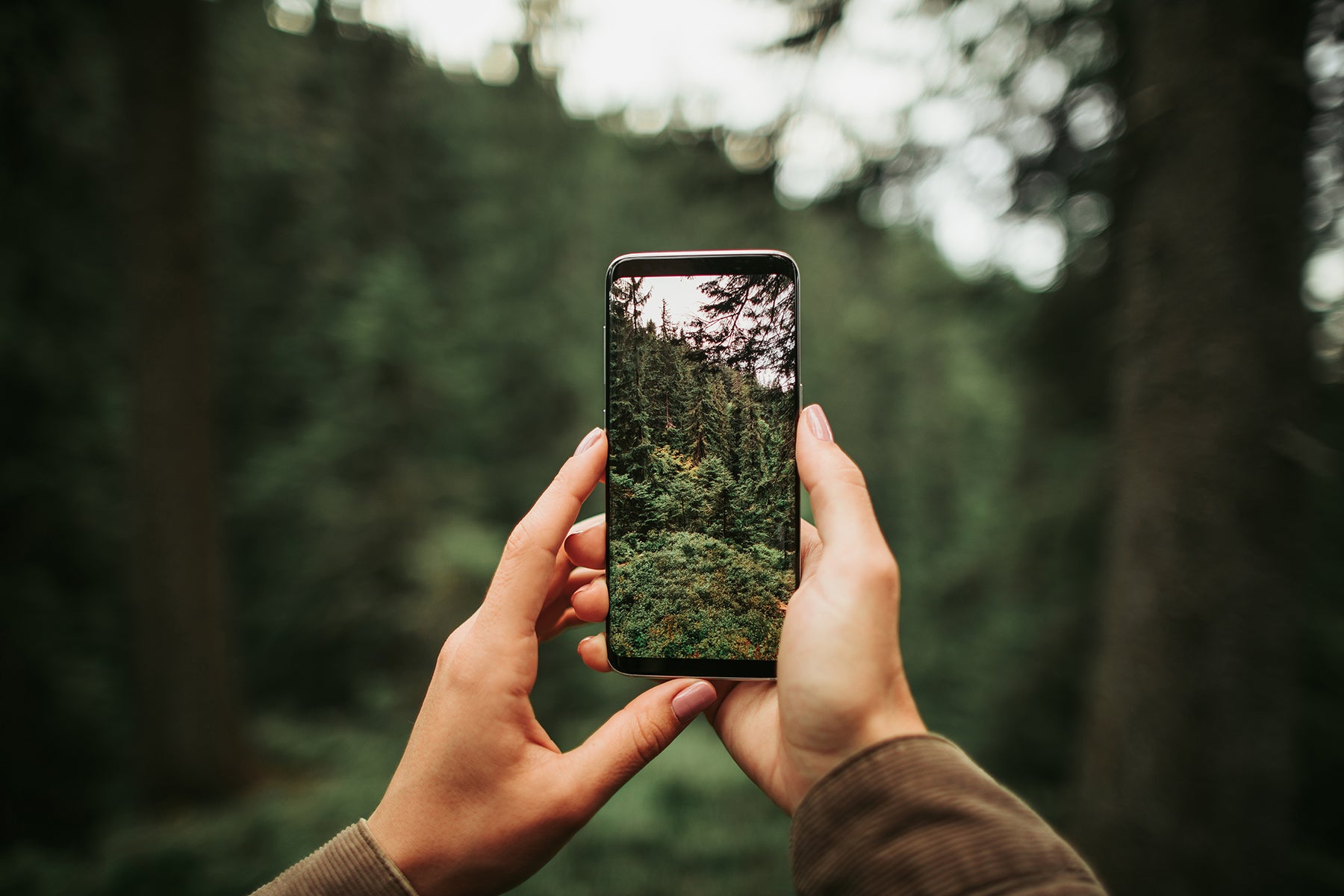
10 Tips for Mastering Visual Storytelling with Your Smartphone
Visual storytelling has become increasingly vital in today's digital landscape, especially with the rise of social media platforms. Here are 10 tips for mastering visual storytelling with your smartphone:
- Understand Your Audience: Before capturing content, consider who you are telling the story to. Tailoring your visuals to resonate with your audience enhances engagement.
- Utilize Natural Light: Good lighting can dramatically improve your photos. Always opt for natural light when possible, as it adds a more authentic touch to your visuals.
- Compose Creatively: Use the rule of thirds or leading lines in your composition to draw the viewer's eye into the scene.
Furthermore, it’s essential to think about your narrative. Visual storytelling should flow logically from one image to the next. Consider utilizing video snippets or time-lapse shots to convey changes over time. Quality over quantity is key—focus on producing fewer, impactful visuals rather than flooding your feed. Additionally, leverage editing apps to enhance your images while keeping them true to your original vision. Lastly, don't shy away from sharing your personal story; authenticity resonates, creating a deeper connection with your audience. Remember, mastering visual storytelling is about practicing and refining your skills!
Counter-Strike is a popular first-person shooter game that emphasizes teamwork, strategy, and precision. Players can choose between two opposing teams, Terrorists and Counter-Terrorists, engaging in various scenarios where they must complete objectives or eliminate the opposing team. For those interested in photography, check out our Top 10 iPhone camera lenses to enhance your mobile photography experience. The competitive nature of Counter-Strike has led to a thriving esports scene, with tournaments and leagues worldwide.
How to Capture Life's Whimsical Moments: A Beginner's Guide
Life is a tapestry woven with whimsical moments, and capturing them takes a delicate touch. As a beginner, start by identifying the small joys around you—be it the laughter of a child, a blooming flower, or the play of light during sunset. To enhance your skills, consider these tips:
- Practice mindfulness: Stay present and observe your surroundings without distraction.
- Choose your medium: Whether it’s photography, journaling, or sketching, select a method that resonates with you.
- Experiment with angles: Don’t hesitate to try different perspectives to find unique shots or narratives.
Once you’ve gathered your whimsical moments, it’s essential to curate them thoughtfully. Create a portfolio either online or in a physical format that tells a story. You can use platforms like blogs or social media to share your creations. Remember to:
- Edit wisely: Choose only your best works to showcase and keep your collection cohesive.
- Incorporate spontaneity: Leave room for unexpected additions that may capture the essence of your life.
- Engage with your audience: Share the stories behind each moment, inviting others to connect with your experiences.
What Makes a Great Visual Story? Insights for Mobile Photography Enthusiasts
Visual storytelling is at the heart of mobile photography, allowing photographers to convey emotions, narratives, and concepts through their images. To create a great visual story, start by focusing on composition. This involves thoughtfully arranging elements within the frame to guide the viewer's eye and highlight the main subject. Consider using the rule of thirds, leading lines, and natural frames to enhance your composition. Additionally, pay attention to lighting, as it can dramatically influence the mood of your photos. Soft, natural light during golden hours often provides a warm and inviting feel, perfect for storytelling.
Another crucial element in crafting compelling visual stories is engagement. Encourage your viewers to connect emotionally with your images by incorporating elements that resonate on a personal level. This can be achieved by capturing authentic moments that reflect real-life emotions, interactions, or experiences. Don't shy away from using color to enhance your story—vibrant colors can evoke feelings of joy, while muted tones might convey nostalgia. Finally, remember to curate your photos into a cohesive narrative; a series of images that flow together can take your audience on a more immersive journey.